Ranking · Germany
The 25 Best Breweries, Beer Halls & Beer Gardens in Germany, Ranked
Oktoberfest 2026 enters its final week. As the Munich tents come down, these are the 25 breweries, beer halls, kellers, and beer gardens actually worth the pilgrimage — from Bamberg's smoked-beer taverns to Düsseldorf's Altbier pubs and the Saarland.
Get more of The Pass in Google
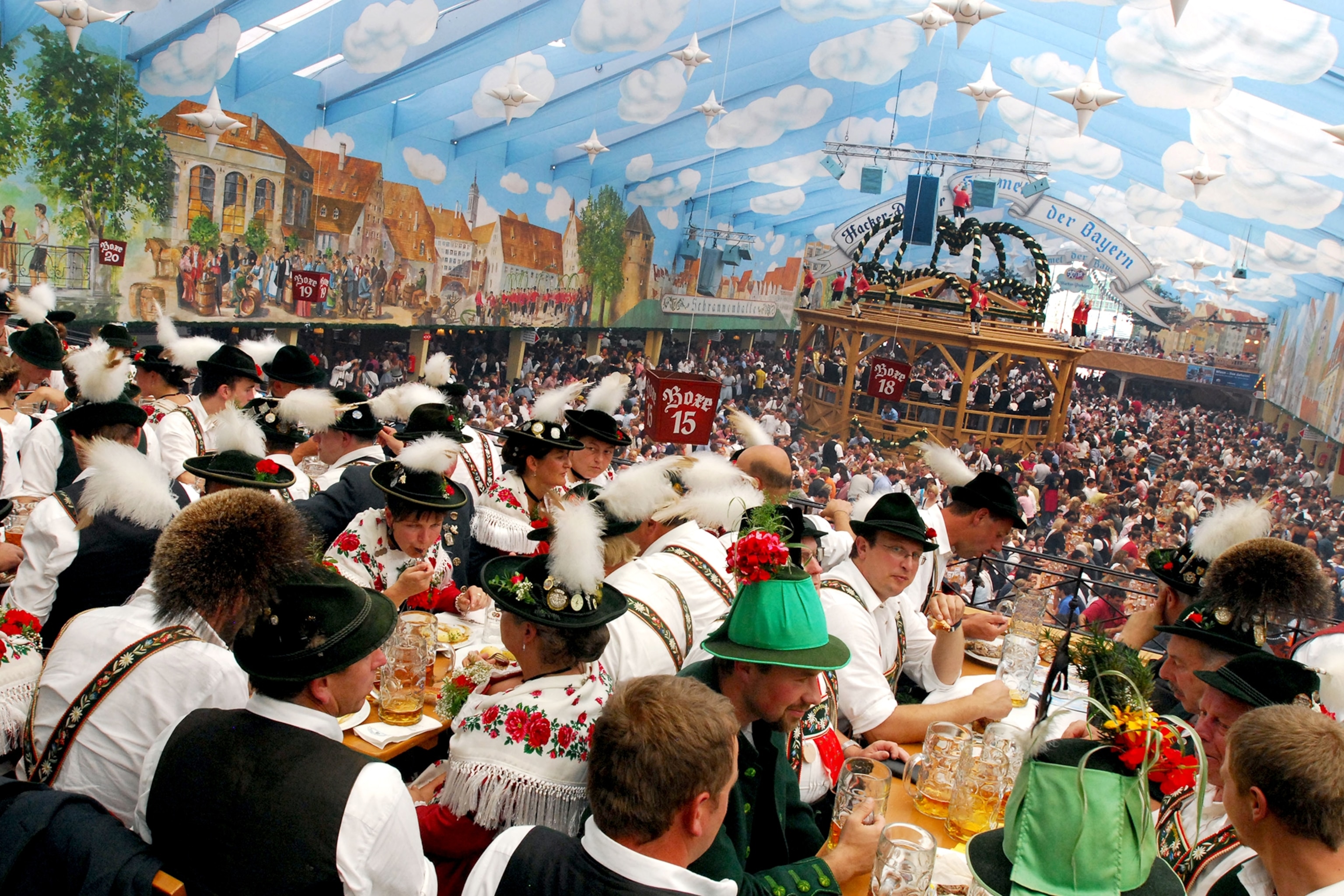
Oktoberfest enters its final week. On October 4, the tents on the Theresienwiese come down, the bands pack up, and Munich exhales after sixteen days and millions of visitors. But the beer doesn’t stop — it just moves back to where it lives the other 349 days of the year.
This is that map: the 25 breweries, beer halls, and beer gardens actually worth the pilgrimage. Bamberg’s smoked-beer cellars. Munich’s great rooms and chestnut gardens. Düsseldorf’s Altbier pubs, Cologne’s Kölsch ritual, the monks who invented most of this, and a banana Weisse in the Saarland. The pour comes first in every entry — what the beer tastes like, how it’s served — because that’s the whole point. Counted down from 25 to 1. Prost.
25. Erdinger Weißbräu — Erding
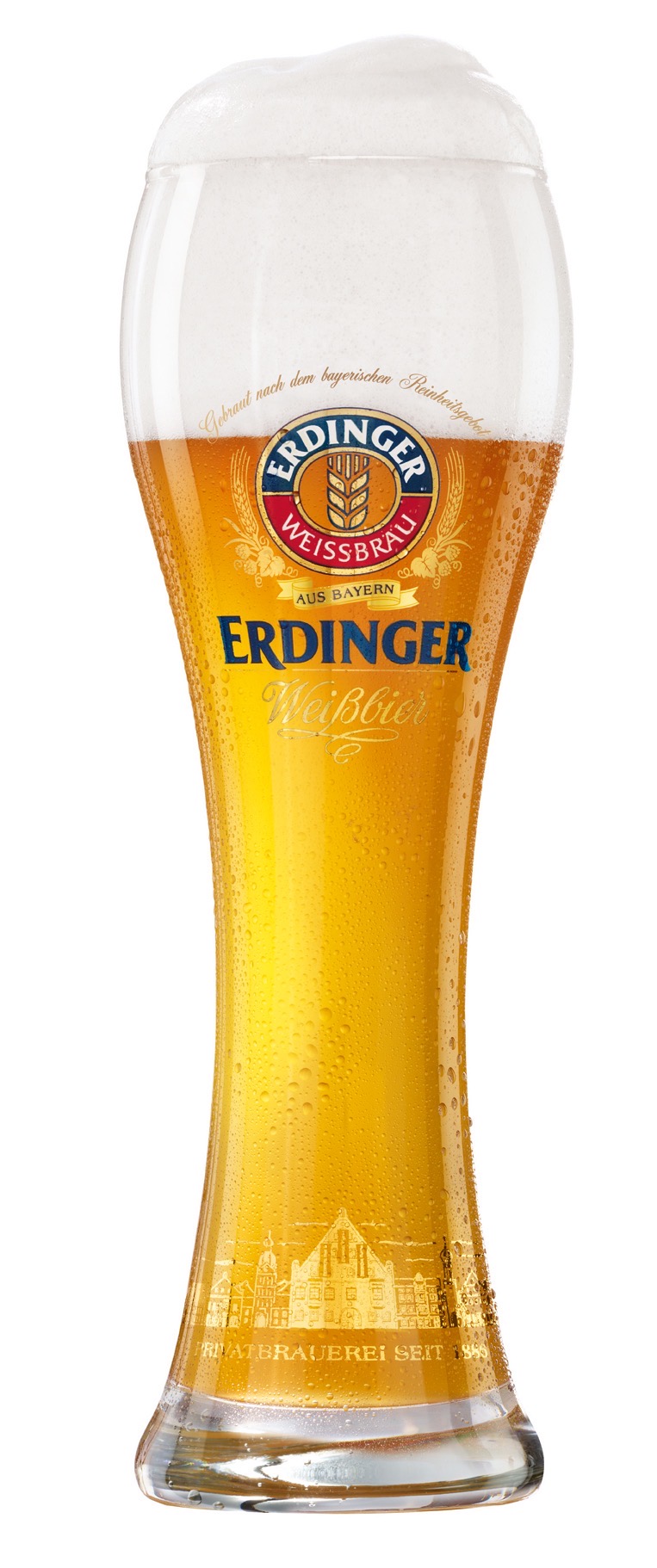 Photo: Erdinger
The pour: Erdinger Weißbier.
Cloudy gold, towering foam — banana and clove over soft wheat malt. Not a discovery; the reference point. The world’s classic Hefe-Weißbier: the glass that taught the planet what Bavarian wheat beer is supposed to taste like.
A private brewery since 1886, family-owned for generations — the largest wheat-beer brewery in the world, still brewing nothing but Weißbier in Erding. You’ll find it on every Munich table and in every airport lounge. Drink it here to calibrate your palate before the great ones.
24. Erzbräu (Schmelzer Brauhaus) — Schmelz, Saarland
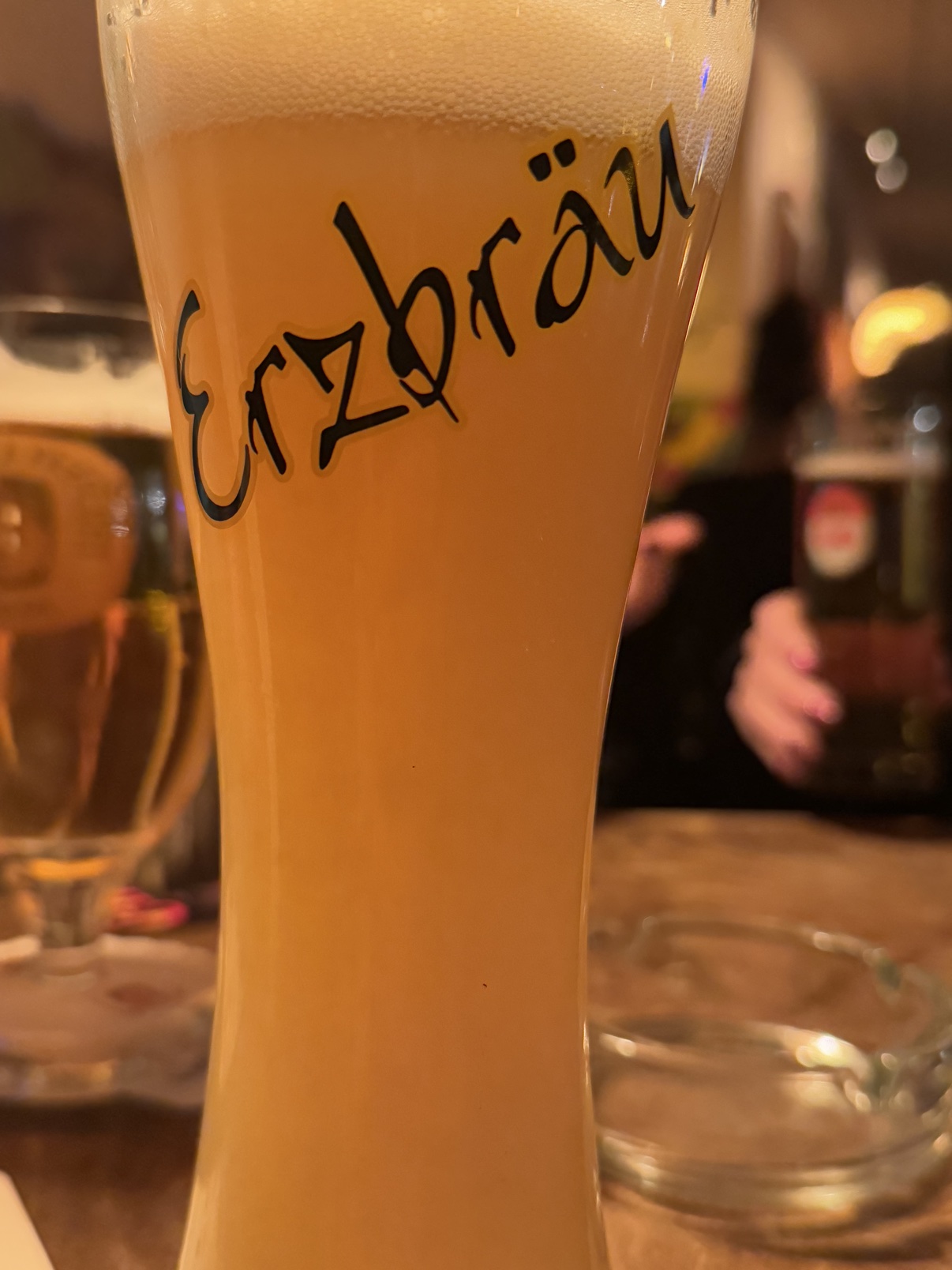 Photo: The Pass
The pour: Erzbräu Weizen — the banana Weisse.
Cloudy gold, thick head — ripe banana and a whisper of clove over soft wheat malt. A wheat beer so banana-forward it drinks like the fruit itself: soft, round, all ester, no apology. Our editor’s discovery, two glasses deep into the trip — the pour that stopped the table.
The Schmelzer Brauhaus has brewed its Erzbräu since 2000 in the Sudhaus beside the Gastraum — hell, dunkel, and Weizen, all naturtrüb — with a beer garden out back and hearty Saarland cooking in the dining room. Off every beer-tourist map; that’s the point.
23. Ahörnla Braugaststätte — Bamberg
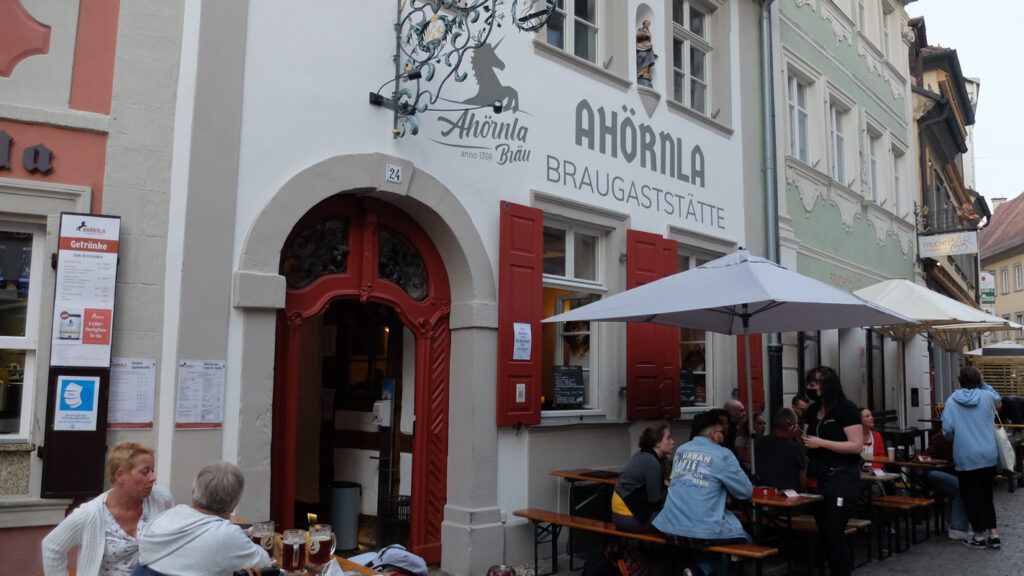 Photo: Bierreise
The pour: Ahörnla Rotbier (Roter Bock in season), brewed on site.
Copper-red, caramel and toasted malt, restrained herbal bitterness — Bamberg’s rare Rotbier specialty, brewed in the house’s own Ahörnla Bräu. The seasonal Roter Bock turns it up a notch.
The Stammhaus on Obere Sandstraße 24 was first described in 1366 as the “Putnerhaus zum Eychhorn” — Ahörnla is the Franconian diminutive of Einhorn, the unicorn — with 600-plus years of brewing history behind it. The quiet fifth pole of the beer city’s taverns.
22. Biergarten Viktualienmarkt — München
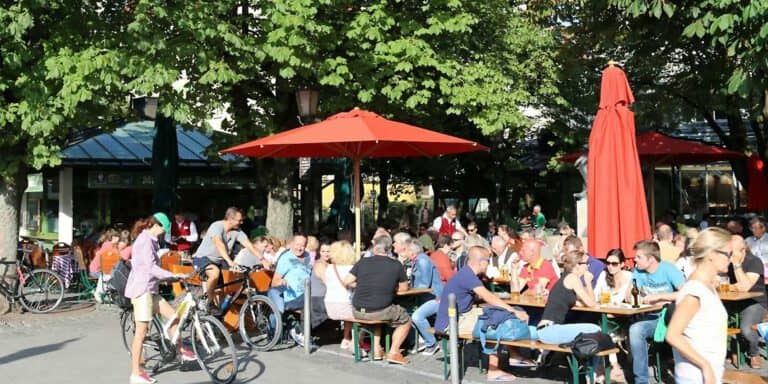 Photo: Viktualienmarkt München
The pour: whichever of Munich’s Big Six holds the tap this rotation — the sign at the kiosk tells you.
Bright helles under chestnut trees either way; the brewery changes, the ritual doesn’t.
Munich’s most central beer garden: some 1,100 seats in the middle of the Viktualienmarkt food market. No single brewery owns it — Augustiner, Hofbräu, Paulaner, Spaten, Hacker-Pschorr, and Löwenbräu rotate roughly every five to six weeks. Built in 1970 on a former tram turnaround ahead of the ‘72 Olympics. Bring Brotzeit from the market stalls; it pours whenever the weather permits, even in December.
21. Tattenbach Wirtshaus & Stüberl — München
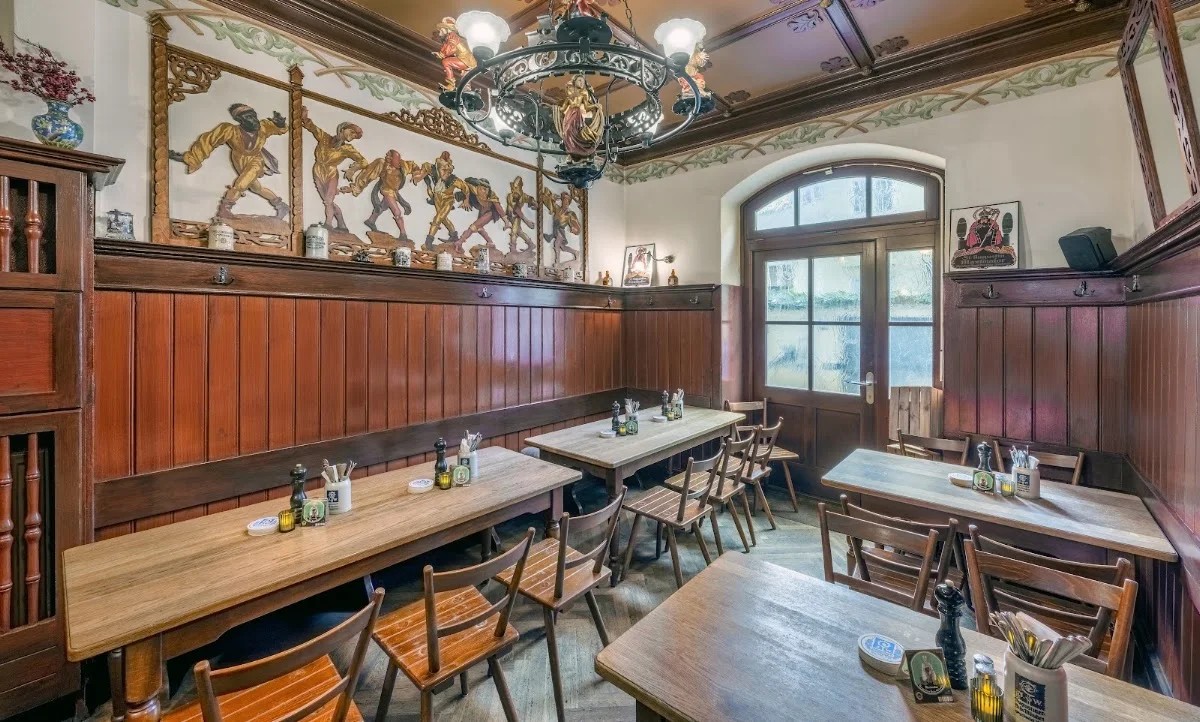 Photo: GermanLocation
The pour: Augustiner Helles, in the Maß.
Cold, soft, bready — Augustiner the way Munich actually drinks it: gentle malt, a whisper of hops, gone too fast.
The vaulted, frescoed dining hall on Tattenbachstraße in Lehel — dark wood, chandeliers, the feel of a large indoor biergarten — pouring Augustiner to a room of regulars. Münchner Schnitzel, Käsespätzle, Kaiserschmarrn; reservations wise on weekends. A locals’ counterpoint to the big beer halls.
20. Brauerei Schumacher — Düsseldorf
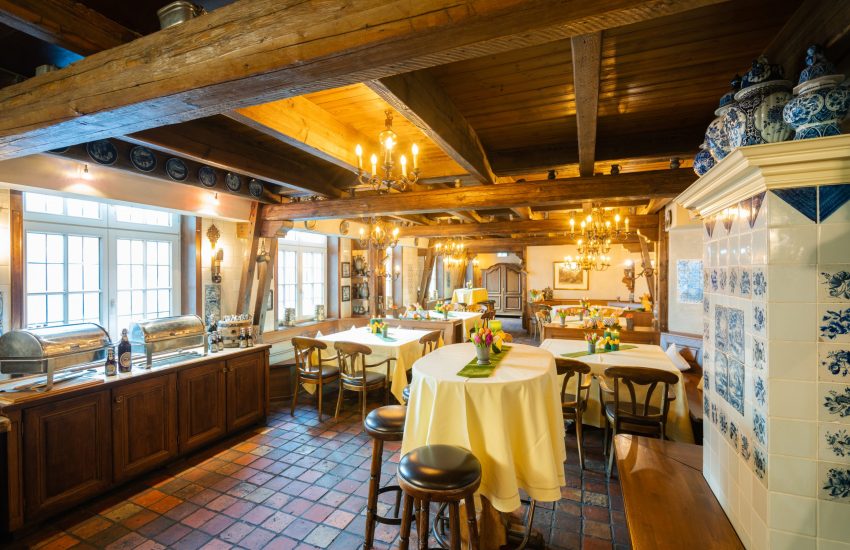 Photo: Mr. Düsseldorf
The pour: Schumacher Alt, in the stange.
Copper, bitter, lean — the original Alt. Mathias Schumacher was brewing it back in 1838; the beer still drinks like the blueprint: pale-ale fruit dried out by cool lagering, a firm hop bite, a dry finish.
Düsseldorf’s oldest brewery, sixth generation on Oststraße (plus the Altstadt brewpub Im Goldenen Kessel). A ten-minute walk from Uerige and Schlüssel — the Altstadt’s third pole, and the history lesson.
19. Ayinger Bräustüberl — Aying
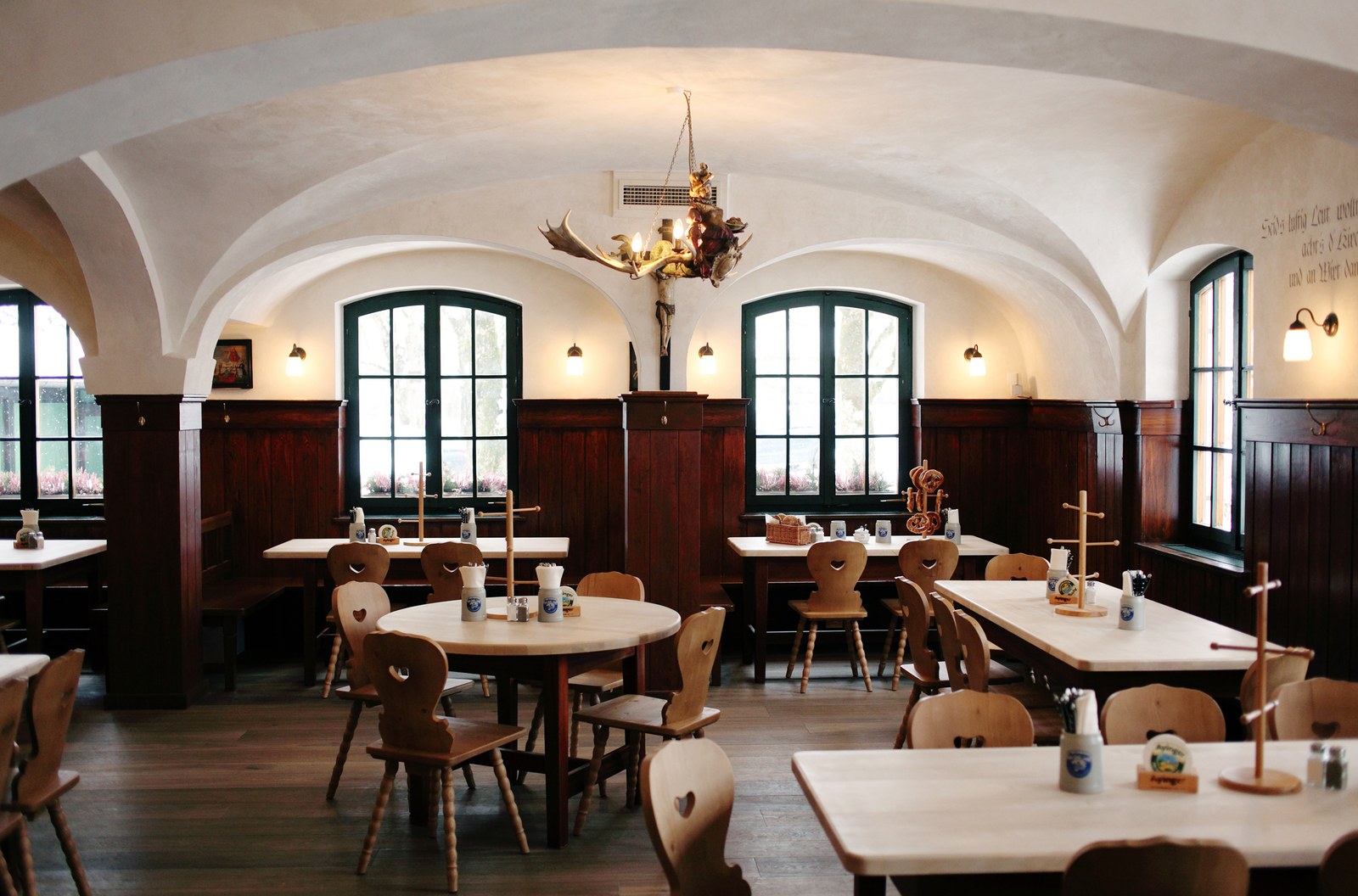 Photo: ayinger.tim99.de
The pour: Ayinger Celebrator Doppelbock.
Dark, layered, dangerously smooth — toffee, caramel, dark-malt roast over a clean lager base. The late, great beer writer Michael Jackson sang its praises; this is the glass that makes the case for Ayinger as one of the finest breweries in the world.
The Inselkammer family’s brewery since 1878, in the village of Aying 25 km south of Munich — independent, family-run, brewing with Alpine foothill water. The Bräustüberl pours it steps from the kettle.
18. Keesmann Bräu — Bamberg
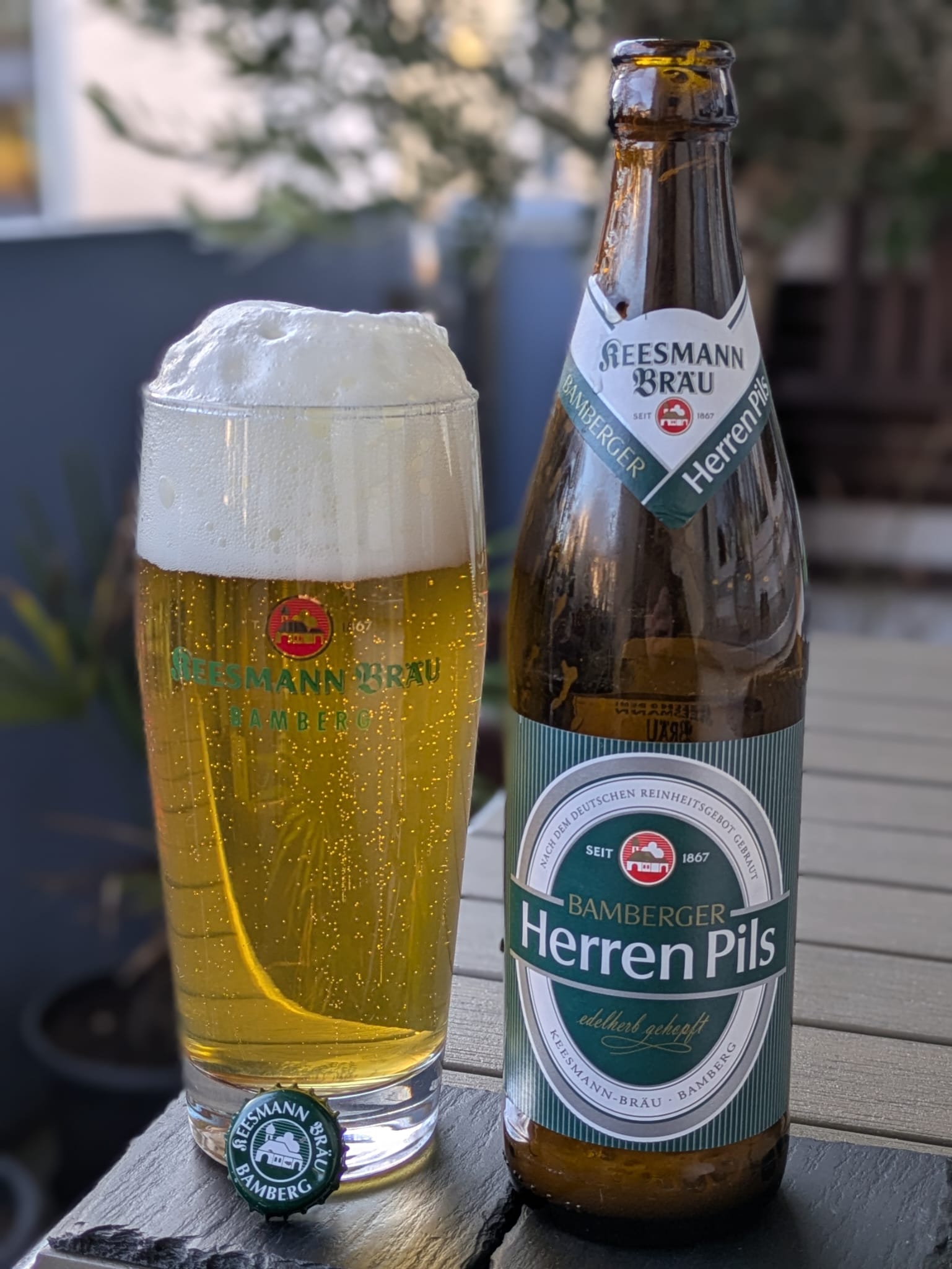 Photo: FrankenBierFreund
The pour: Herren Pils, the benchmark Franconian pils.
Crisp, hoppy, floral — the pils by which the whole region judges all others. Bright, snappy bitterness over soft Franconian malt, poured with a proper head in the tavern; the connoisseur’s order in a city famous for smoke and dark lager.
The family brewery on Wunderburg, where the locals drink pils while the tourists chase Rauchbier. The quiet sixth pole of Bamberg’s taverns — and the glass that recalibrated Franconian pils.
17. Augustiner-Keller — München
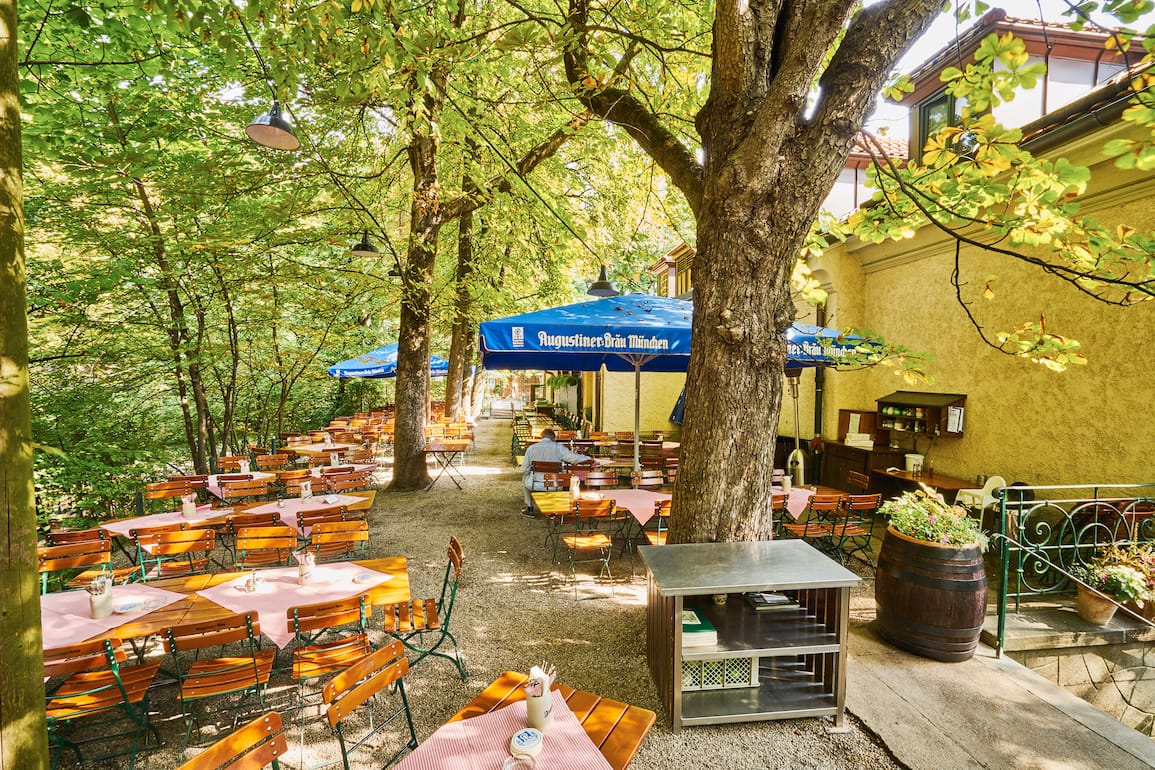 Photo: Gault Millau Schweiz
The pour: Augustiner Edelstoff, vom Holzfass — gravity-poured from the wooden barrel.
Soft, floral, impossibly drinkable — Munich’s most respected helles, rounder and silkier from the cask than from any tap. This is the beer Munich drinkers order when nobody’s watching.
The brewery’s flagship venue since the early 1800s — a beer storehouse on the 1812 city plan, 5,000 seats under chestnut trees (one of them over 200 years old), Augustiner-Bräu’s home turf. Munich’s oldest brewery (1328), still independent, still famously advertising-free — the locals’ favorite by a mile.
16. Brauhaus Früh am Dom — Köln
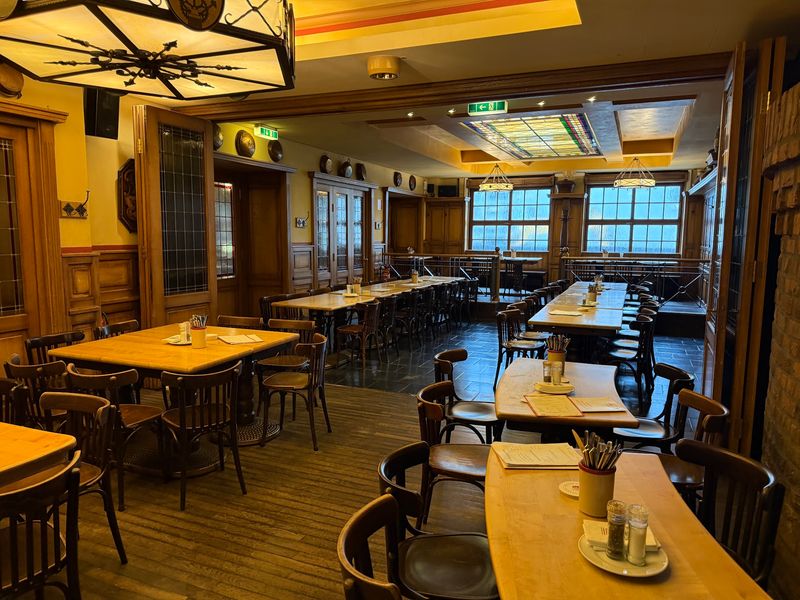 Photo: Unearth the Voyage
The pour: Früh Kölsch, in 0.2L stangen.
Bright, dry, lightly hoppy — the classic Kölsch profile at its most polished. Small glasses, cold and constant, Köbes on patrol with the tray and a fresh one before you ask.
Cologne’s most famous brauhaus since 1904, steps from the cathedral. The Kölsch ritual — tiny glasses, rapid refills, chalk marks on the coaster — is German drinking culture at its most joyful.
15. Schlenkerla — Bamberg
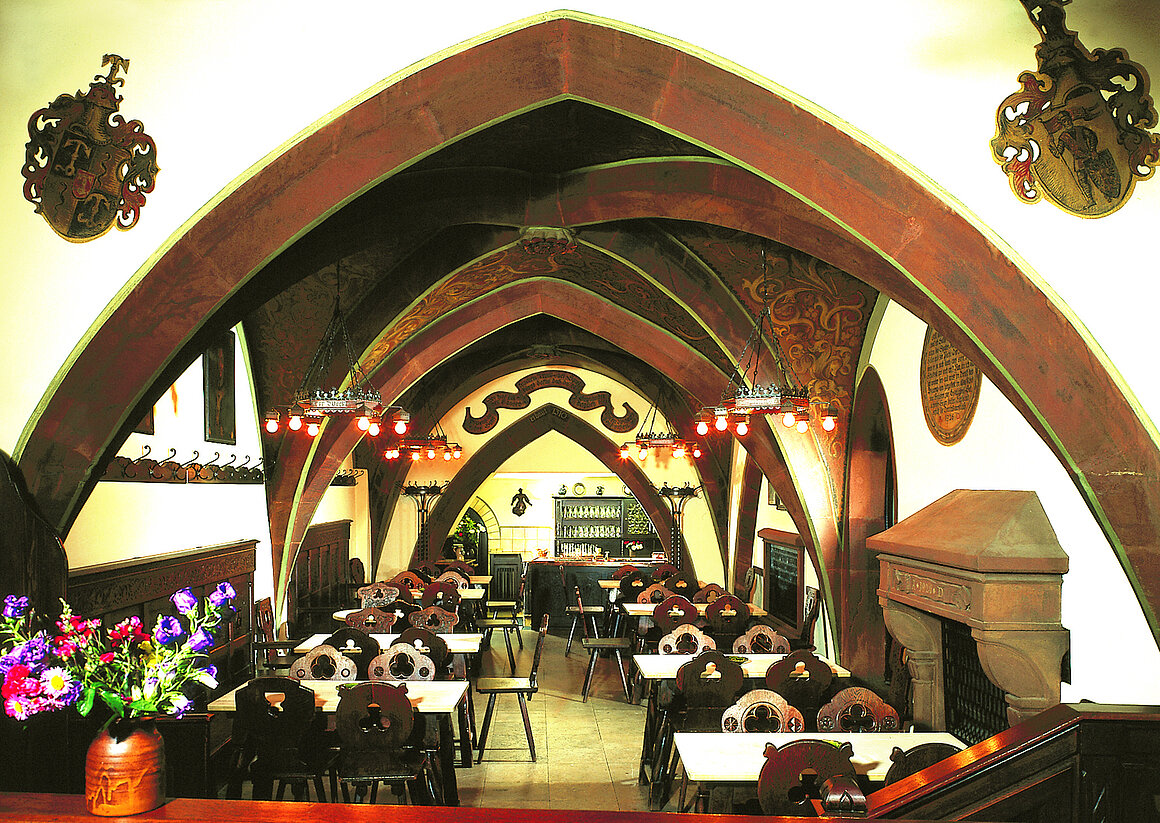 Photo: FrankenTourismus (Tourismusverband Franken)
The pour: Aecht Schlenkerla Rauchbier Märzen, drawn from the oak cask.
Beechwood smoke in a glass — bacon, campfire, dark malt underneath — the world reference for Rauchbier. First sip tastes like a campfire; third sip tastes like Bamberg.
The historic 1405 tavern under the Dom: low beams, dark wood, beer still gravity-poured from wooden barrels. The one drink in German beer culture you simply have to try at the source.
14. Schneider Bräuhaus — München
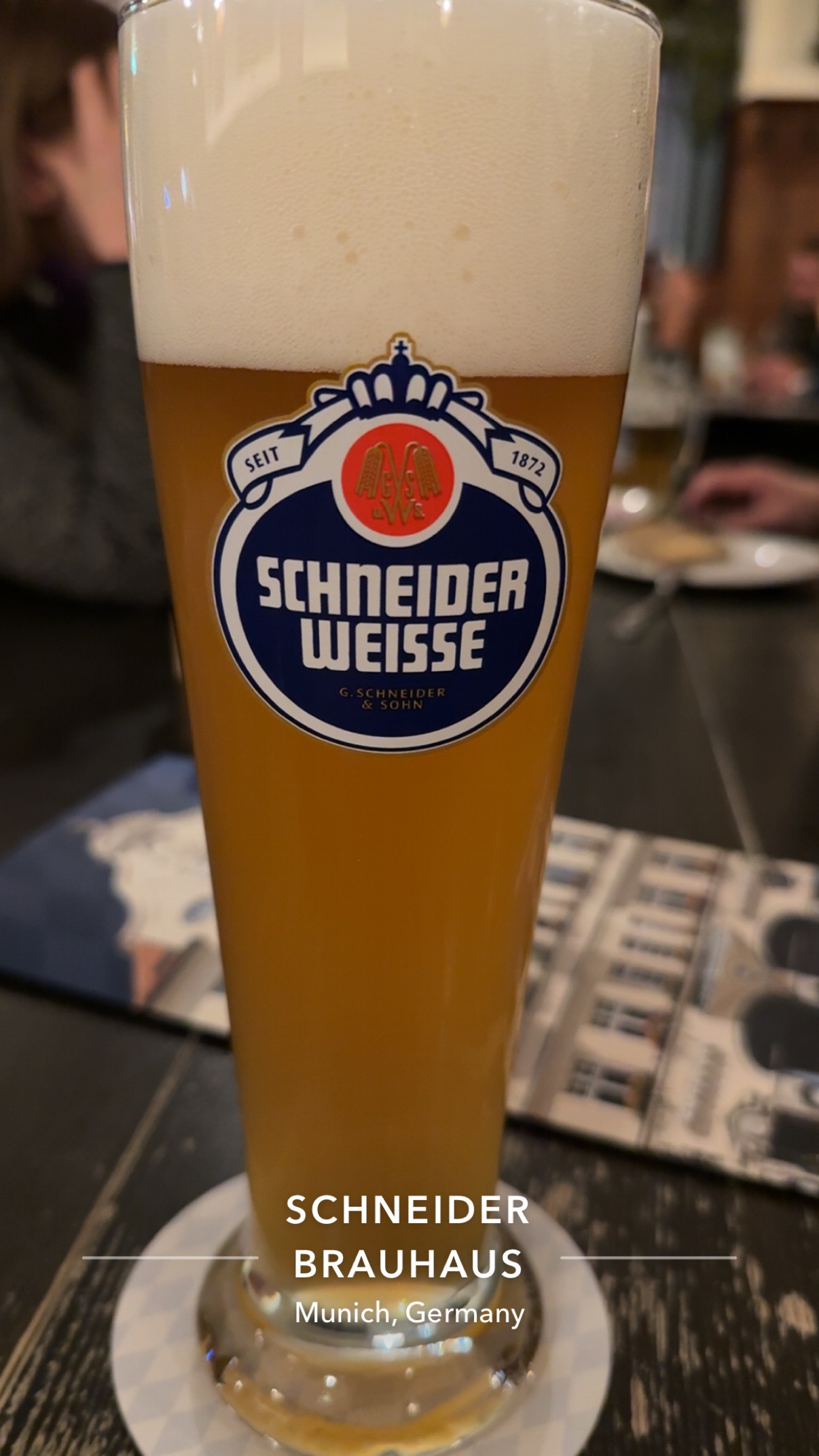 Photo: The Pass
The pour: Schneider Weisse Original.
Amber-mahogany, towering foam — clove and banana over bready wheat malt, brewed to the 1872 original recipe. Men’s Journal called Schneider “the quintessential hefeweizen”: this is the glass that made wheat beer famous worldwide.
The Weisses Bräuhaus im Tal at Tal 7 — “Schneider im Tal” — the Munich home of G. Schneider & Sohn, steps from Marienplatz and the Viktualienmarkt. In 1872 Georg Schneider I bought the wheat-brewing privilege from King Ludwig II — until then reserved to royalty — and founded the brewery here in the Tal; after the Munich brewery was destroyed in 1944, production moved to Kelheim, but the Tal taproom stayed the cradle of Schneider Weisse. Dark wood, vaulted rooms, Weisswurst before noon, the full Schneider range on tap, music on Sundays. Our editor drank it at the source.
13. Hausbrauerei Zum Schlüssel — Düsseldorf
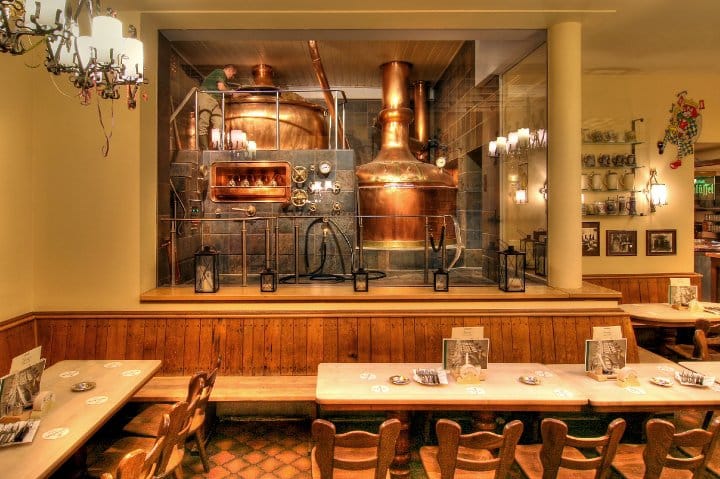 Photo: distillery.news
The pour: Schlüssel Original Alt.
Toast-nut malt, dry finish, copper-bright — the other great Altstadt Alt, a touch rounder than Uerige with the same old-Düsseldorf soul.
Pouring since 1850 on Bolkerstraße; the Stike seasonal (released every January) is the insider move. The Altstadt’s second pole — every local has a side.
12. Brauerei-Gasthof Kundmüller — Weiher
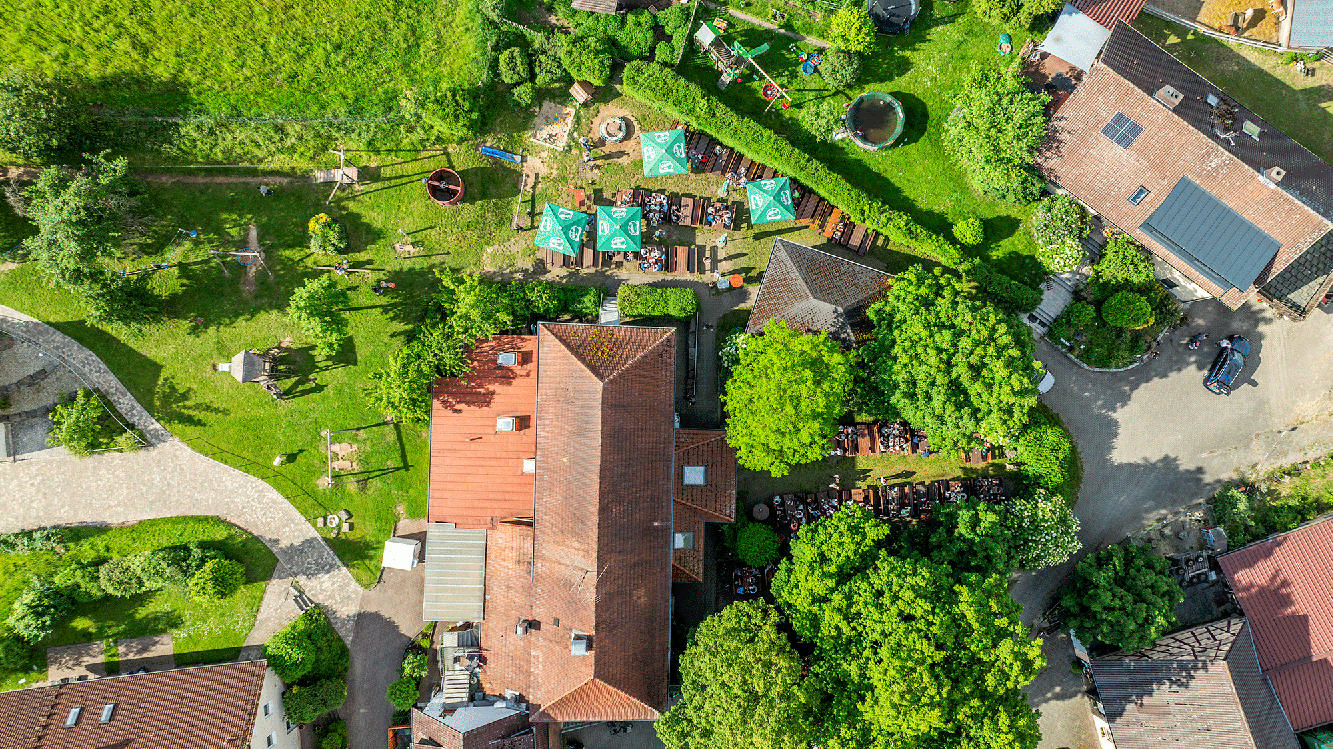 Photo: Brauerei-Gasthof Kundmüller
The pour: Weiherer Rauchbock, World Beer Cup pedigree in a glass.
Smoke layered over bock strength — dark malt, dried fruit, and a long beechwood finish that warms like a fireplace. The sleeper Rauchbier of Franconia, from a brewery with World Beer Cup medals on the shelf.
A family brewery-gasthof in the village of Weiher, a short hop from Bamberg. Drink it in the tavern; thank us later.
11. Chinesischer Turm — München
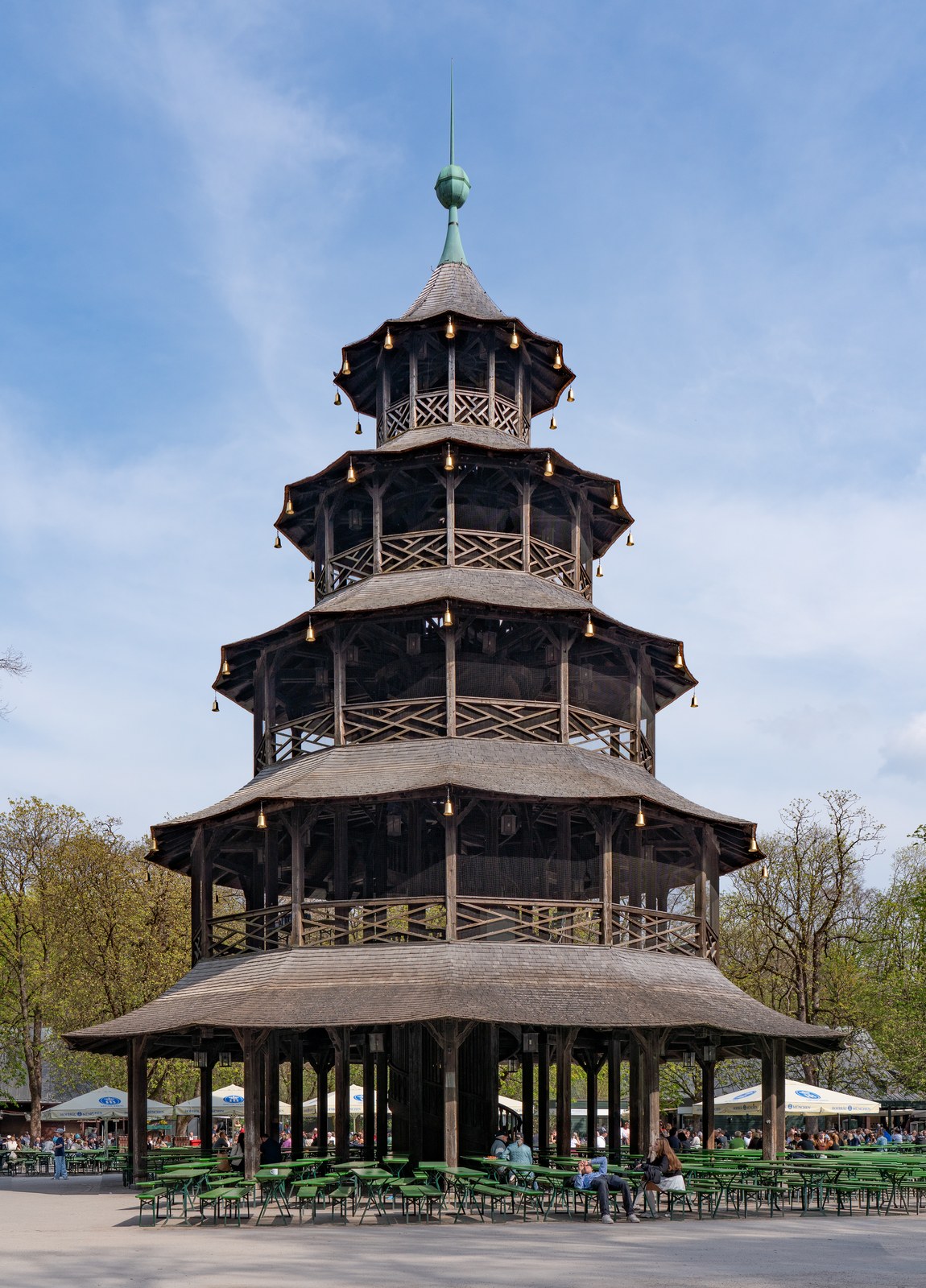 Photo: Wikimedia Commons
The pour: Hofbräu Original, under the pagoda.
The postcard pour — bright helles with the Englischer Garten stretching out in every direction. Same great beer, completely different mood from the Hofbräuhaus Schwemme.
Munich’s second-largest beer garden (7,000 seats) around the 25-meter wooden pagoda in the English Garden. Tourist-heavy, still essential — and the walk through the park to get there is half the experience.
10. Uerige Hausbrauerei — Düsseldorf
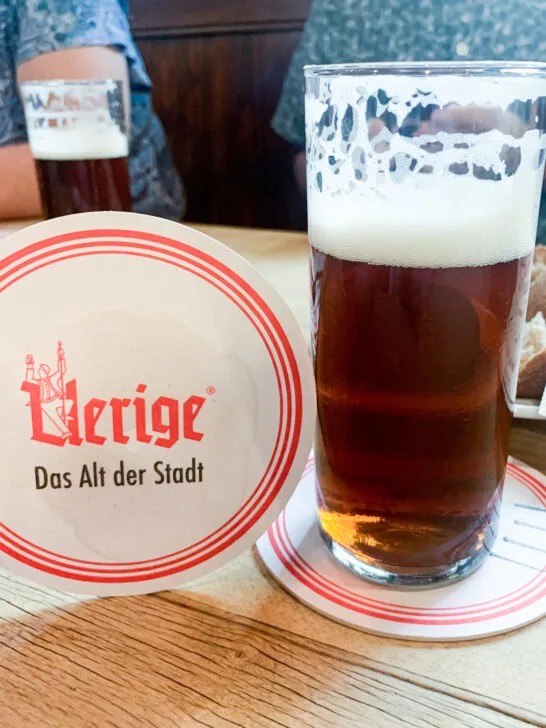 Photo: Reflections En Route
The pour: Uerige Alt, in the 0.2L stange.
Copper-brown, bitter, mineral-dry — roast-malt depth cut by a firm noble-hop bite. THE Alt; accept no substitute.
The Berger Straße 1 mother church since 1862, where the Köbes still bark orders and the stangen keep coming until you cover your glass. Düsseldorf’s Altstadt runs on this beer.
9. Roppelt’s Keller — Stiebarlimbach
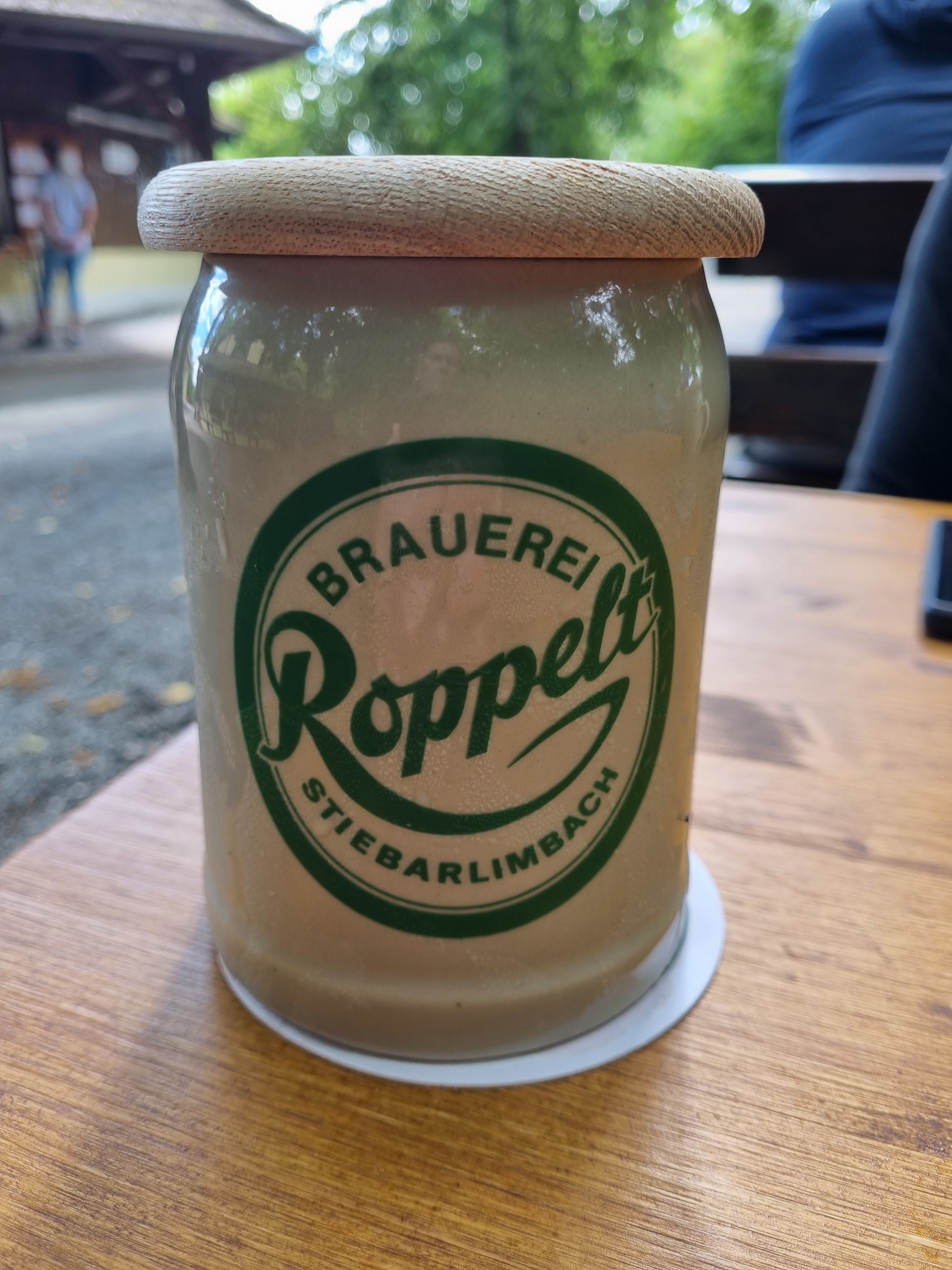 Photo: Kim Lund / kimlund.com
The pour: Roppelt Kellerbier, straight from the barrel under the trees.
Hazy, fresh, bready — unfiltered Kellerbier with that just-finished-fermenting snap, served in the archetypal Franconian forest keller. The beer tastes like the woods it sits in.
One of the great rural kellers of the Steigerwald, a short drive from Bamberg — picnic tables in the trees, beer from wooden barrels, the Franconian countryside at its most honest.
8. Andechser Bräustüberl / Kloster Andechs — Andechs
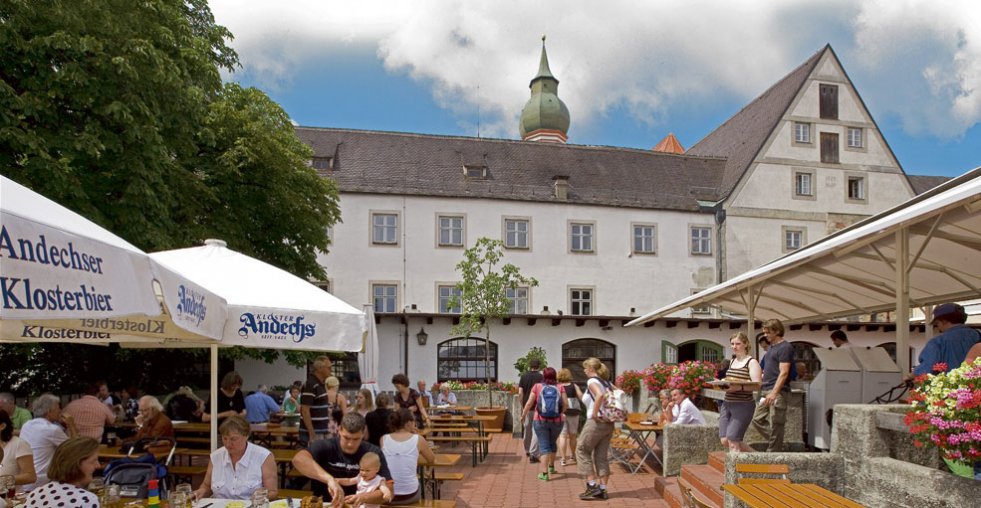 Photo: Roland Rössner / Monumente Online
The pour: Andechser Doppelbock Dunkel.
Warming velvet — rich, malty, dark-bread-and-plum doppelbock made by monks on the Holy Mountain. The essential Bavarian monastery-beer pilgrimage.
Benedictine monks have brewed here since 1455; the Bräustüberl terrace above the Ammersee fills with hikers, pilgrims, and locals every fair-weather weekend. Order the Schweinshaxe with it.
7. Bayerische Staatsbrauerei Weihenstephan — Freising
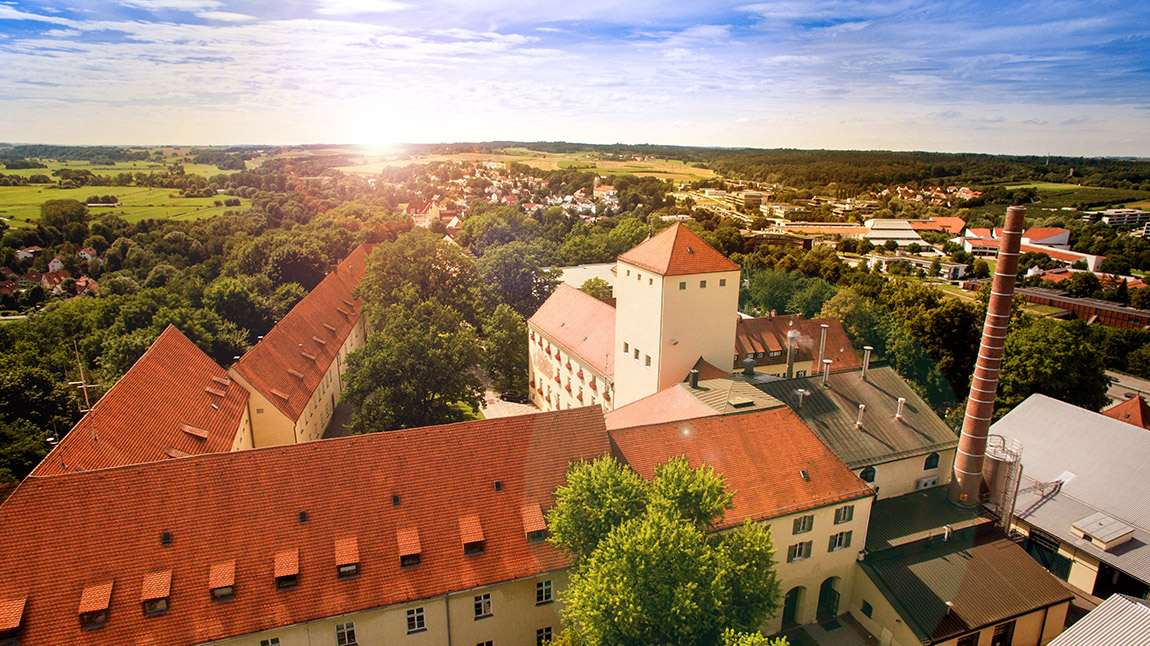 Photo: Discover Germany / Bayerische Staatsbrauerei Weihenstephan
The pour: Weihenstephaner Hefeweissbier.
Banana, clove, pillowy foam — the Hefeweissbier benchmark against which every wheat beer on earth is measured. Cloudy, bright, endlessly refreshing.
The world’s oldest brewery, 1040, on a hill above Freising with the Technical University’s brewing science faculty across the street. History you can drink.
6. Hirschgarten — München
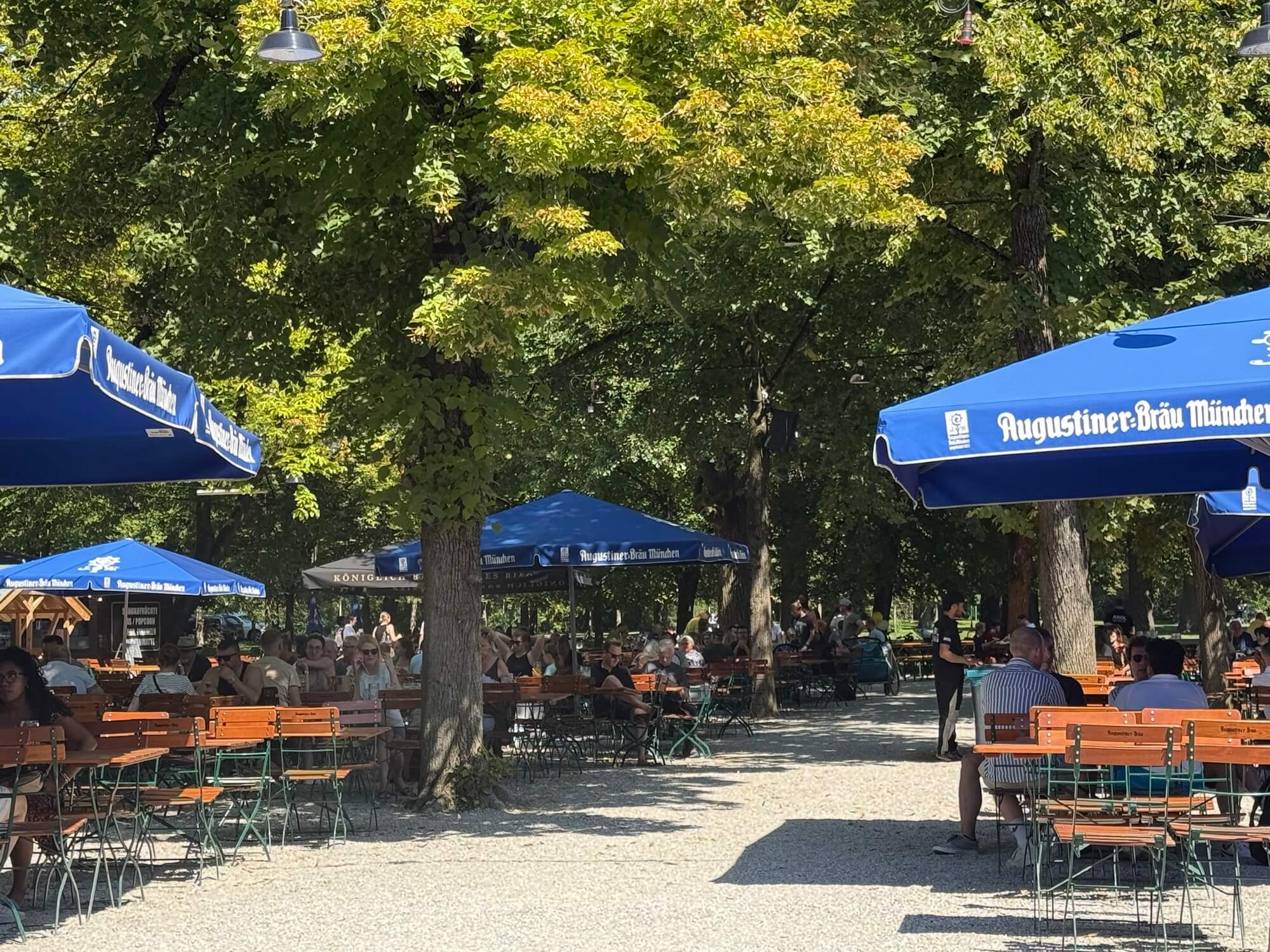 Photo: The Passenger
The pour: Augustiner Edelstoff, by the Maß.
Soft, floral, impossibly drinkable helles — Augustiner’s wood-aged lager, rounded and mellow, the beer Munich drinkers reach for when nobody’s watching. Edelstoff is the city’s most respected pour.
The world’s largest beer garden: 8,000 seats under chestnut trees in Nymphenburg. Bring your own food — the beer’s the point.
5. Brauerei Spezial — Bamberg
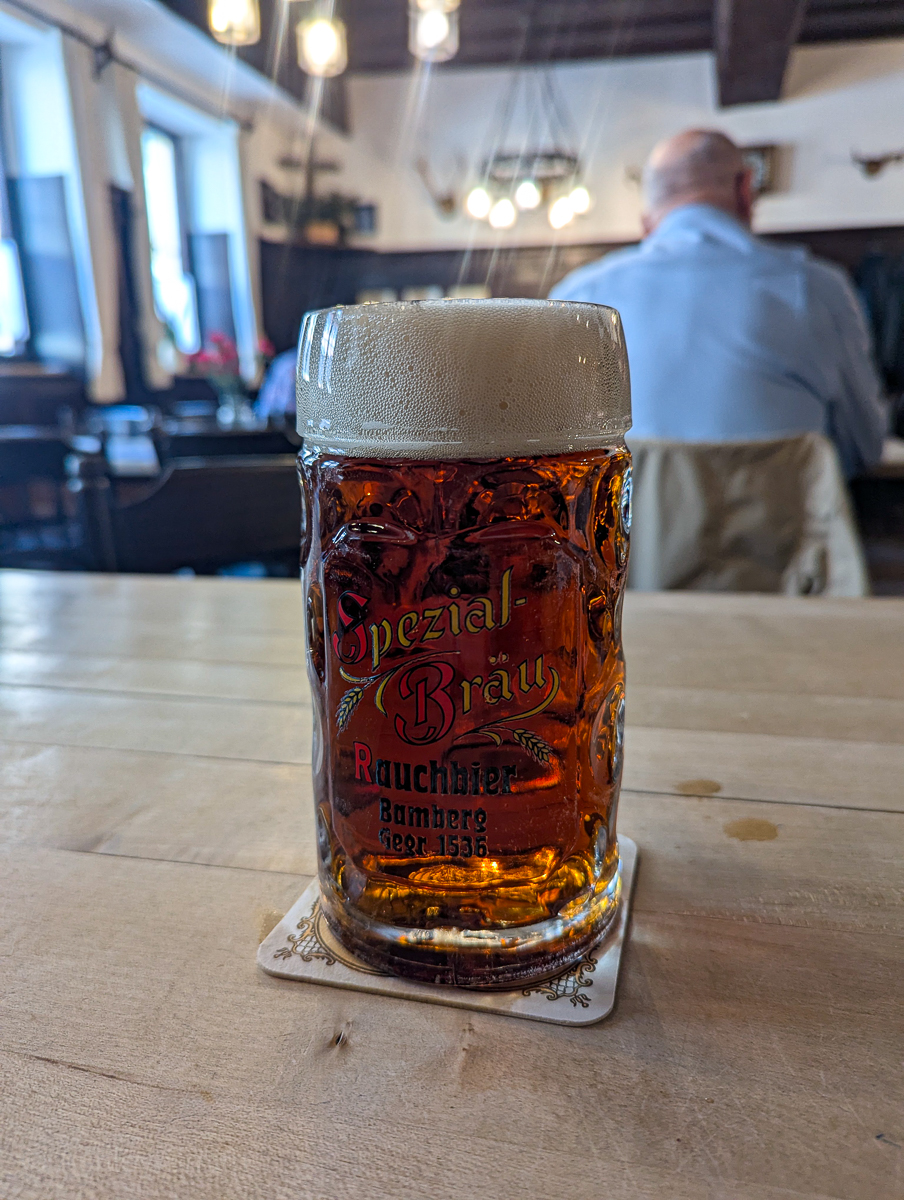 Photo: My Wanderlusty Life
The pour: Spezial Rauchbier, gravity-poured in the tavern.
Bamberg’s quieter smoke — beechwood-smoked malt from the brewery’s own floor maltings, gentler and rounder than Schlenkerla’s, campfire-and-bacon over a clean lager base. The connoisseur’s Rauchbier; plenty of regulars call it better than the famous one.
Brewing since 1536 in a cozy Old Town tavern (plus the hilltop Spezialkeller with views over the city). Their unfiltered Lagerbier is one of the very best beers in town; the winter Bock is a local secret.
4. Klosterschenke Weltenburg — Kelheim
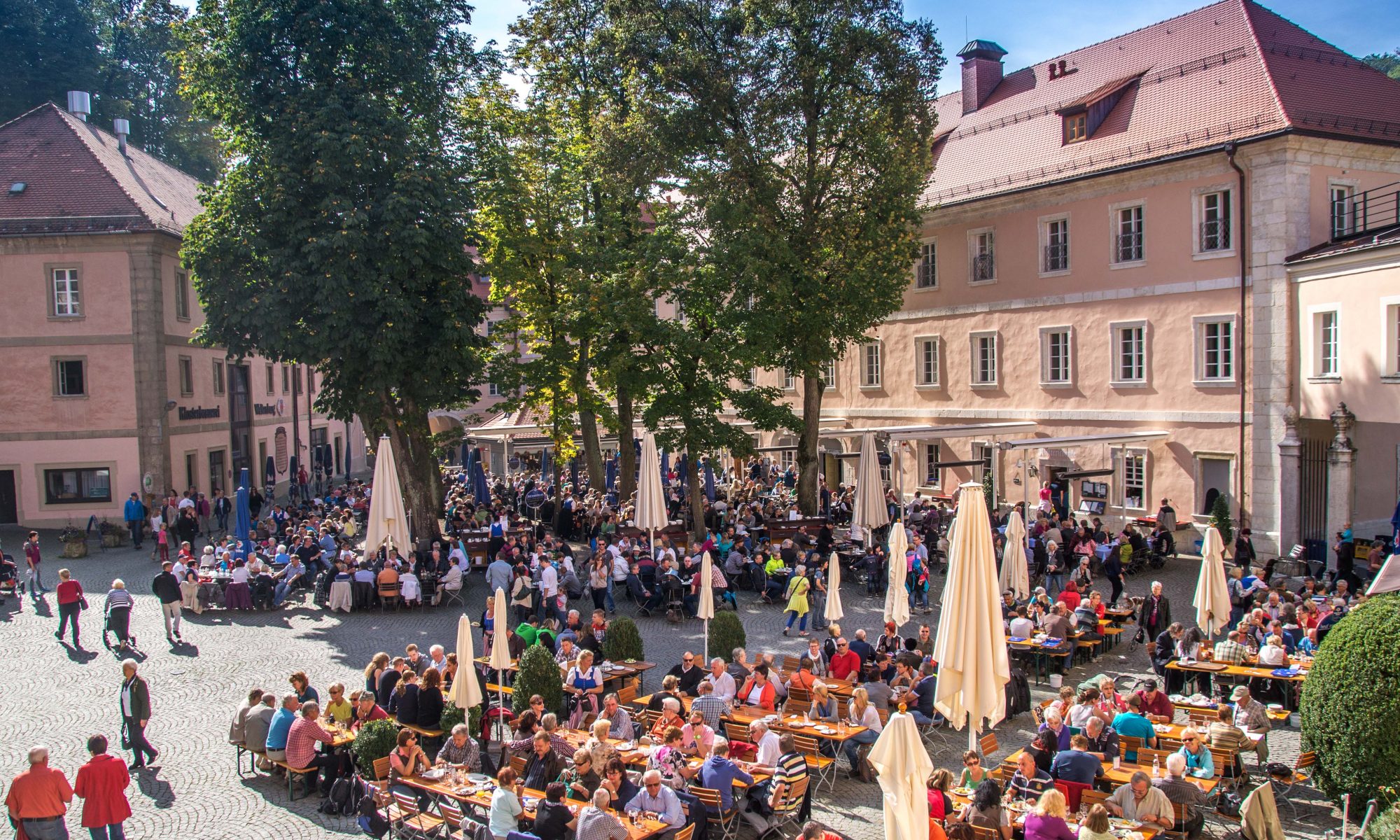 Photo: Klosterschenke Weltenburg
The pour: Weltenburger Barock Dunkel.
Dark, malty, warming — Munich malt turned to liquid bread with a whisper of chocolate and noble hops. The dunkel every dunkel wants to be.
Served in the beer garden of the world’s oldest monastic brewery (1050), wedged into the Danube Gorge near the Befreiungshalle. Monks have been brewing here for nearly a thousand years; the setting hasn’t changed much.
3. Fässla — Bamberg
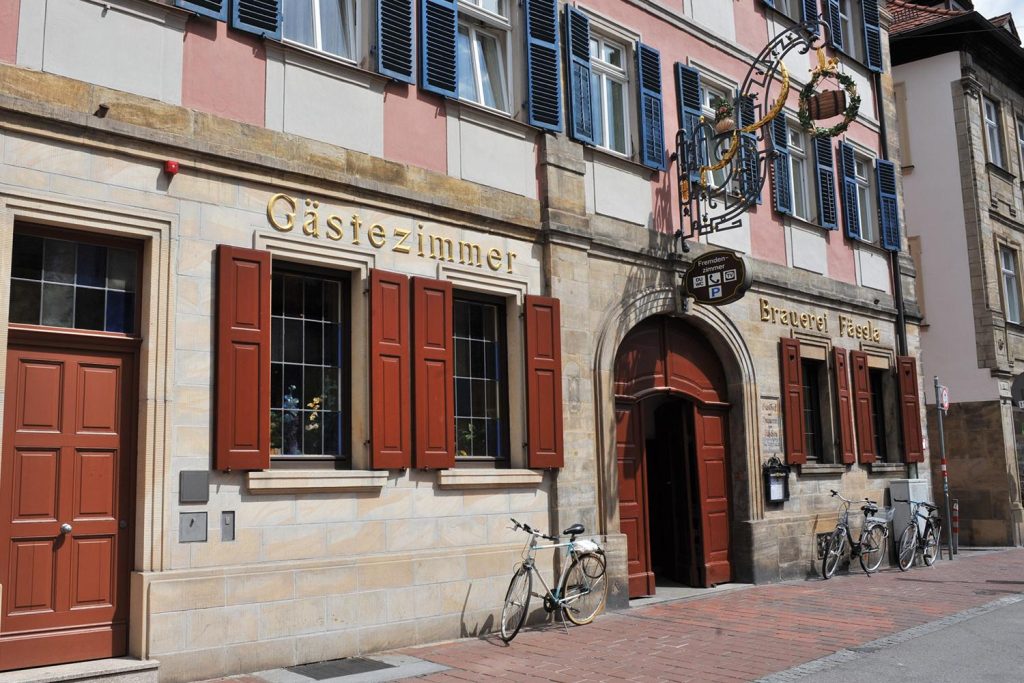 Photo: Bierland Franken
The pour: Fässla Lagerbier, in the Schwemme.
Gold with a thick, creamy foam — bright fragrance, rich full malt that still drinks light. The morning Frühschoppen crowd famously works through the first pours before 11am.
The Obere Königstraße brewery tavern, directly opposite Spezial, with the covered courtyard Schwemme where the morning regulars drink their pints through the serving hatch without technically going inside the pub. The Zwergla (“lil’ dwarf”) dunkel is the insider order; the Fässla Keller out on Moosstraße is the summer biergarten play.
2. Hofbräuhaus München — München
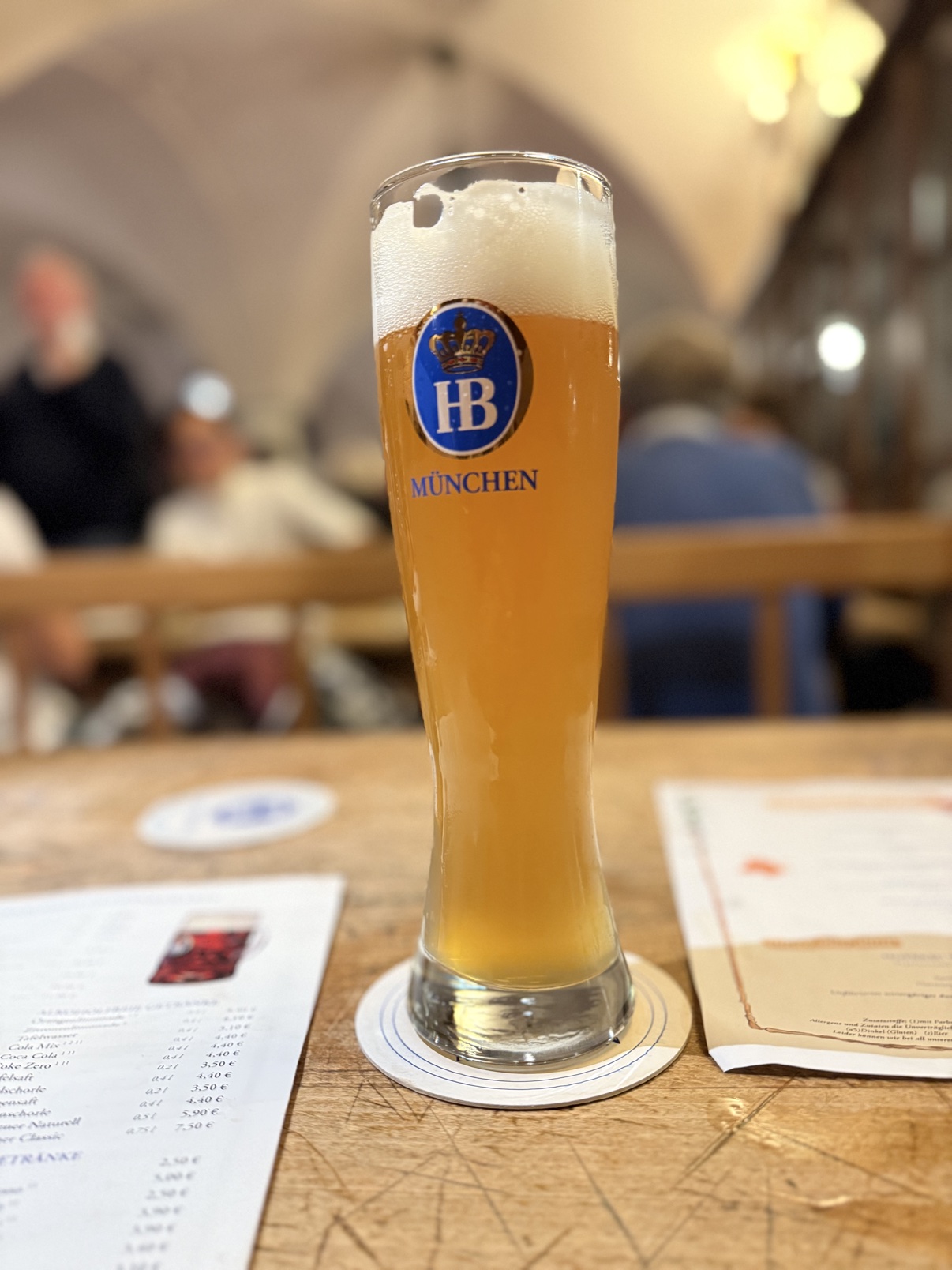 Photo: The Pass
The pour: Hofbräu Hefe Weizen, in the tall Weizenglas.
Cloudy, banana-clove, towering foam — this is the beer that holds the #2 slot. The helles in the Maß is the famous order, but the Hefeweizen is the better beer: soft wheat malt, classic Bavarian yeast character, endlessly refreshing in the noisy Schwemme. Munich wheat beer at its most iconic — and the reason the beer-geeks come back.
The 1589 ducal brewery turned great beer hall: oompah bands, Stammtische bolted into the floorboards, the most famous beer hall on earth. Tourist trap to some; pilgrimage to everyone else.
1. Mahr Bräu — Bamberg
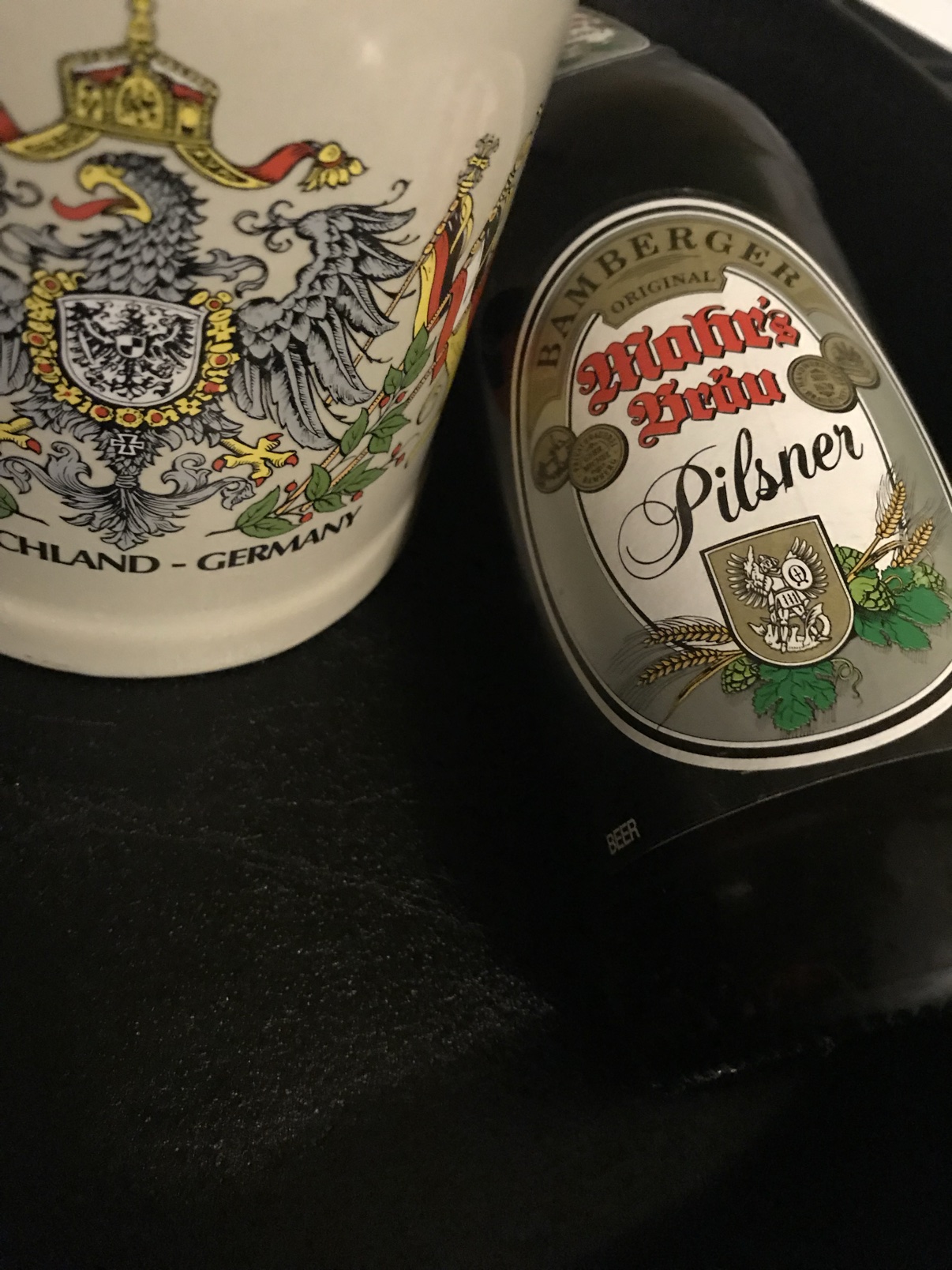 Photo: The Pass
The pour: Mahr Bräu Ungespundet, gravity-poured from the wooden cask.
Hazy, honeyed, barely carbonated — an unfiltered Franconian lager with fresh-bread malt and a soft herbal hop snap, pulled straight from the Holzfass so it lands silkier and rounder than anything from a tap. The beer the locals drink when Schlenkerla gets crowded.
Brewing since 1670 in a warren of old rooms in Bamberg’s Wunderburg district, Mahr’s is the beer city’s beer-geek favorite — the Kellerbier ground zero that anchors every serious Bamberg beer crawl.
The tents come down on October 4. These rooms don’t. Most of the list is walk-in friendly — the beer gardens and kellers are weather-dependent, the halls pour in every season, and Bamberg’s taverns sit within walking distance of each other, which is exactly how the beer city is meant to be drunk: on foot, one Schwemme at a time.
More from The Pass: our ranked guide to the 25 must-eat spots in New Orleans and the 20 best classic sandwiches in America.
Like this story?
Get The Pass in your inbox every Friday — free.
Questions, answered
When is Oktoberfest 2026?
September 19 to October 4, 2026 — the 191st edition, held on Munich's Theresienwiese. This guide is built for the final week: when the tents come down, the great breweries, beer halls, kellers, and beer gardens below are where the beer actually lives the other 349 days of the year.
What's the difference between a beer hall, a biergarten, and a keller?
A beer hall (Schwemme) is the big indoor room — long tables, oompah bands, Maßkrüge year-round. A biergarten is the outdoor garden under chestnut trees, where bringing your own food is tradition. A keller is Franconia's own invention: a hillside beer cellar with picnic tables in the woods, pouring unfiltered lager straight from the barrel.
What is Rauchbier?
Bamberg's beechwood-smoked lager — malt dried over open beechwood fires, giving the beer its signature bacon-and-campfire character. Schlenkerla (#15) is the world reference and the full blast; Spezial (#5) is the gentler, rounder connoisseur's pour. Try both in one afternoon — they're across the street from each other.
Can I visit these places outside Oktoberfest?
That's the entire point of this list. The beer halls pour year-round, the kellers and biergartens run roughly April through October (weather permitting), and the monastery breweries welcome pilgrims in every season. Bamberg, in particular, is better outside festival season — the taverns are for the locals then.
Do I need to speak German?
It helps, but pointing works everywhere. Munich's big halls see enough visitors that you'll get by; in Franconia's kellers and village taverns, menus run German-first — learn the words Helles, Dunkel, Kellerbier, and Rauchbier and you'll eat and drink very well.
Sources
- HISTORY — How Oktoberfest Became a September Tradition (2026 dates)
- EU Today — Oktoberfest 2026 opens in Munich (191st edition)
- Ahörnla — Hausgeschichte Obere Sandstraße 24 (1366 chronicle)
- Brauerei-Gasthof Kundmüller — World Beer Cup press release
- The Manual — Takeaways from the World Beer Cup (Kundmüller smoked beer)